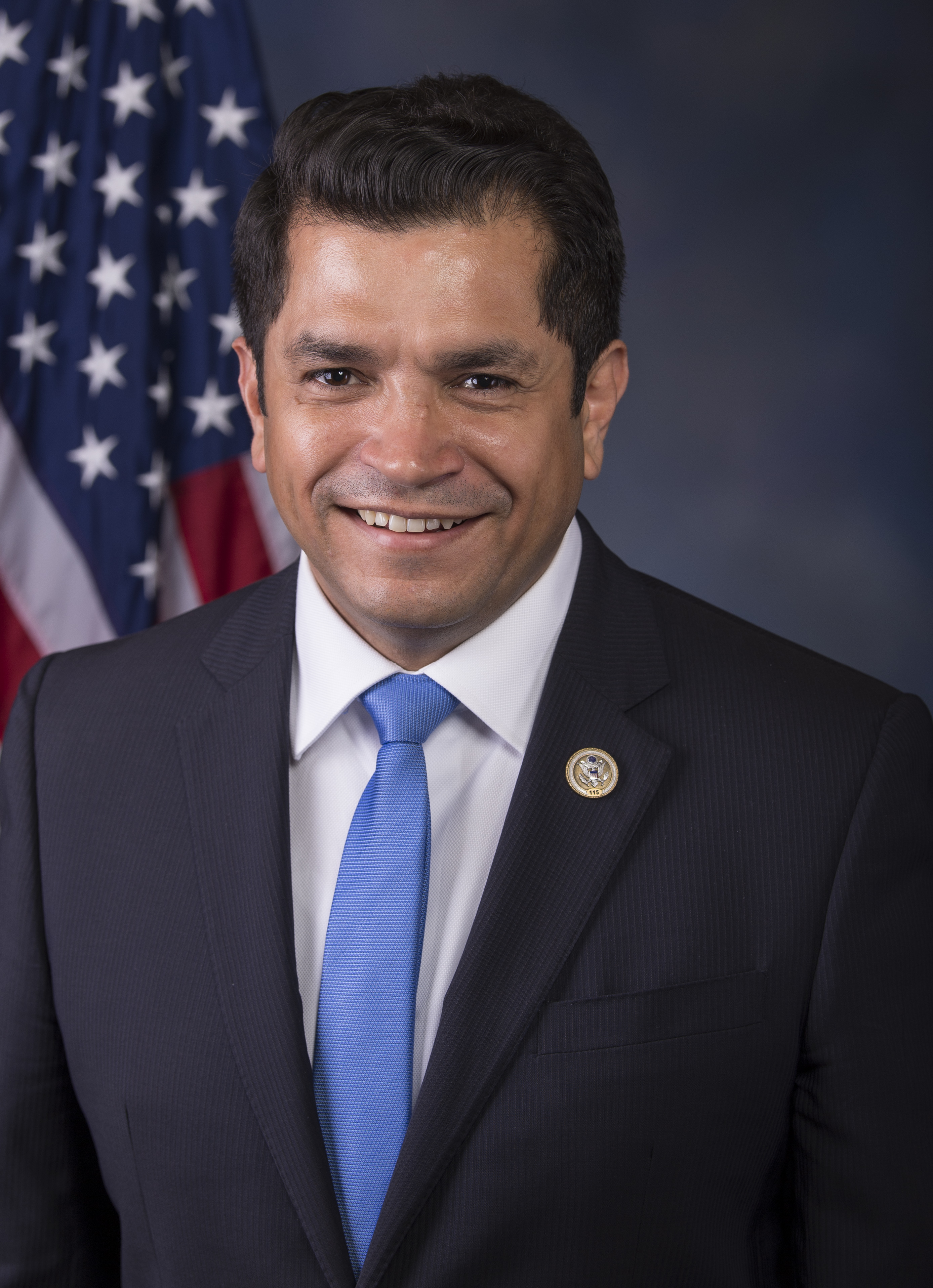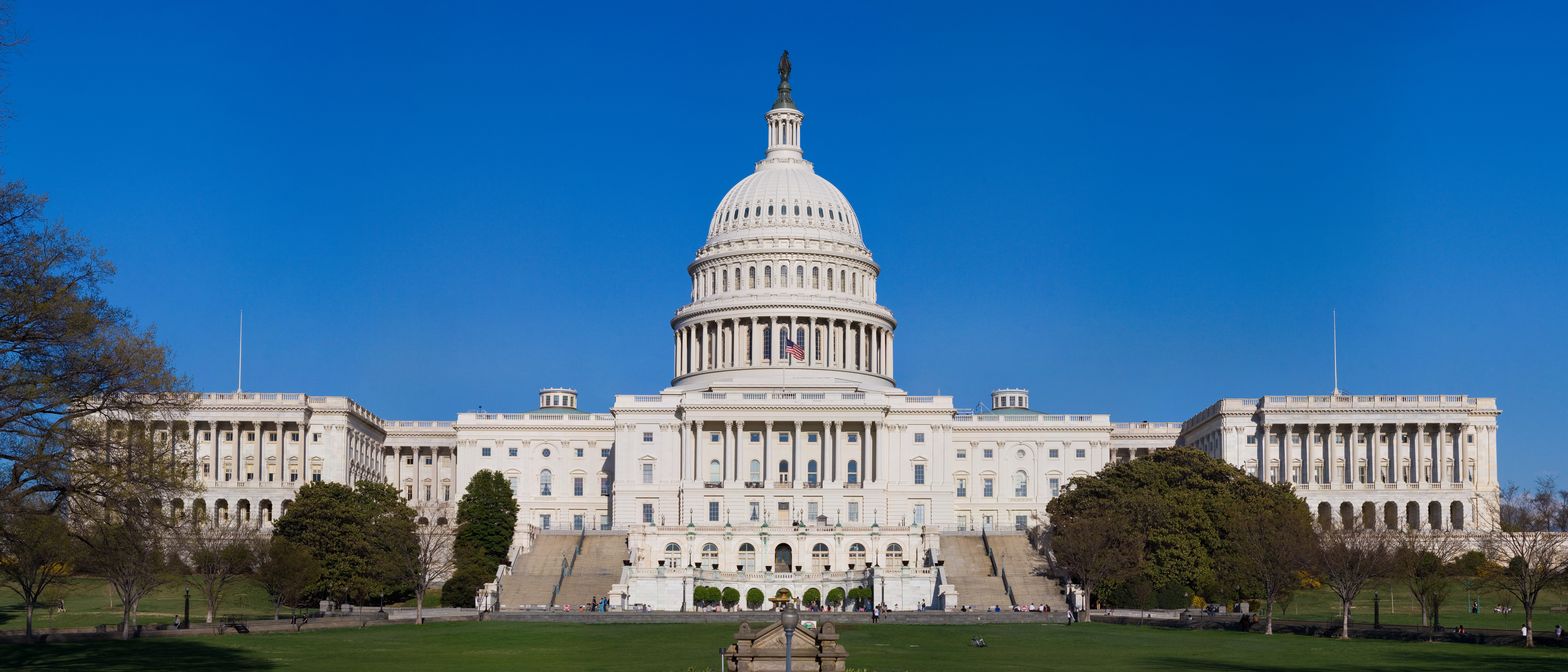
With weeks left before Democrats take control of Congress in January, Republicans are rushing to confirm Danielle Thumann Severs to the FCC — a fight with direct stakes for Hollywood broadcasters and media mergers.
With just weeks remaining before Democrats take control of Congress in January, Republicans are scrambling to fortify the FCC — and the fight over a third Trump nominee has become a late-session test of how much the outgoing majority can lock in before the handover of power.
In August, President Trump nominated attorney Danielle Thumann Severs of North Carolina as a third Republican commissioner on the Federal Communications Commission. She currently serves as senior legal adviser to FCC Chair Brendan Carr, and Democrats say that closeness to Carr is a problem; she was grilled by the Senate Commerce Committee about her work for him. Democrats failed on Wednesday to block the Republican push, and the Senate Commerce Committee advanced her nomination despite a Democratic boycott.
The full timeline: what we know so far
The nomination has moved on an unusually tight clock. President Trump nominated Thumann Severs in August, giving the Republican majority only a narrow window to act before the new Congress is seated. The Senate Commerce Committee, chaired by Sen. Ted Cruz, held a hearing at which Democrats pressed her on her work as senior legal adviser to FCC Chair Brendan Carr — work they argue makes her too close to the chairman she would be expected to independently oversee.
On Wednesday, Democrats tried to stop the nomination in committee and failed. Led by Sen. Maria Cantwell of Washington, the panel's Democrats had urged Cruz not to rush a partisan nomination in the outgoing majority's final weeks. When the committee moved forward anyway, Democrats boycotted the vote, and the nomination advanced without their support. The committee's action sets up a full Senate vote as the next, and final, step before the January handover.
The political backdrop is the reason the clock matters so much. Democrats clinched a historic House majority in the midterms — a result reported by the Los Angeles Times and ABC News — and take control in January. Once they do, the agenda in both chambers shifts, and a nomination that could not be confirmed in the Republican majority's final weeks would lapse, leaving Democrats to set the terms of any successor.
Key quotes and reactions
The sharpest Democratic objection has been about proximity. Sen. Maria Cantwell (D-Wash.) and her fellow committee Democrats urged the committee's chair, Sen. Ted Cruz, not to rush a partisan nomination in the outgoing majority's final weeks, arguing that a nominee who has served as senior legal adviser to the sitting FCC chair cannot be counted on to act as an independent check on him. Their argument, in essence, is that the FCC is supposed to regulate in the public interest, and that a commissioner drawn from the chairman's own staff blurs the line between oversight and the office being overseen.
Republicans have framed the same record differently. To them, Thumann Severs' service as senior legal adviser to Carr is a qualification, not a conflict: she knows the commission's work, knows the chairman's priorities, and can hit the ground running in a lame-duck window with little time to spare. The committee's decision to advance the nomination despite the Democratic boycott is the clearest expression of that view — the majority concluded that the urgency of confirming a third Republican commissioner outweighed the Democrats' objections.
What is not in dispute is what the FCC does, and why the seat matters. The commission regulates broadcast television licences, media ownership rules and merger reviews, so who sits on it has direct consequences for the companies that own and distribute Hollywood's programming.
Background and context
The FCC is a five-member commission, by tradition split between the president's party and the opposition, with no more than three commissioners from the president's party. A third Republican commissioner would give the party its full complement under a Republican president — and, in practical terms, a more reliable majority on the votes that shape the media landscape.
Thumann Severs' background is central to the fight. She is an attorney from North Carolina nominated by President Trump in August, and she currently serves as senior legal adviser to FCC Chair Brendan Carr. That dual identity — nominee and Carr's own legal adviser — is the thread running through every Democratic objection. The Senate Commerce Committee grilled her about her work for Carr, and the Democrats' boycott of the committee vote was the most visible expression of their concern that the line between staff and commissioner was being erased.
The lame-duck dynamics are the other piece of context. A nomination that is not confirmed before the January handover lapses, and the new Democratic majority would then control the agenda for any replacement. That is why Republicans are racing now, and why Democrats are using every procedural tool — including a boycott — to run out the clock.
What happens next
A full Senate vote is needed before the January handover. If Thumann Severs is confirmed in that window, she takes the seat and Republicans hold their full complement on the commission even as Democrats take Congress. If she is not confirmed, the nomination lapses and Democrats will control the agenda for a successor — a fundamentally different starting point for the next FCC.
The timing of a floor vote in a lame-duck session is the immediate question, and it will be shaped by how much floor time the Republican leadership is willing to spend on a single nomination in a crowded end-of-session calendar. Every day that passes without a vote is a day closer to the January handover, and a day that strengthens the Democrats' argument that the nomination should be left to the new Congress.
Why this matters for Hollywood
The FCC regulates broadcast television licences, media ownership rules and merger reviews, so who sits on it matters directly to Hollywood studios, broadcasters and the big media deals now before regulators. A third Republican commissioner would give the party a more reliable majority on the votes that decide which mergers clear, how broadcast licences are handled, and how ownership rules are interpreted — decisions that shape who can buy whom in an industry already consolidating.
For Los Angeles, where so much of the country's broadcast and cable footprint is owned and programmed, the FCC's decisions on ownership and mergers are not abstract. They determine the structure of the companies that buy Hollywood's output, and the rules under which those companies can combine. A confirmation before January locks in a Republican majority for the remainder of the president's term; a lapse hands the agenda to a Democratic Congress with its own priorities for the commission. Either way, the outcome of a single lame-duck nomination will shape the regulatory landscape Hollywood works under for years.
Sources
Reporting by Meg James in the Los Angeles Times, November 17–18, 2026; verified by Deadline and NewscastStudio. The historic House majority was reported by the Los Angeles Times and ABC News.