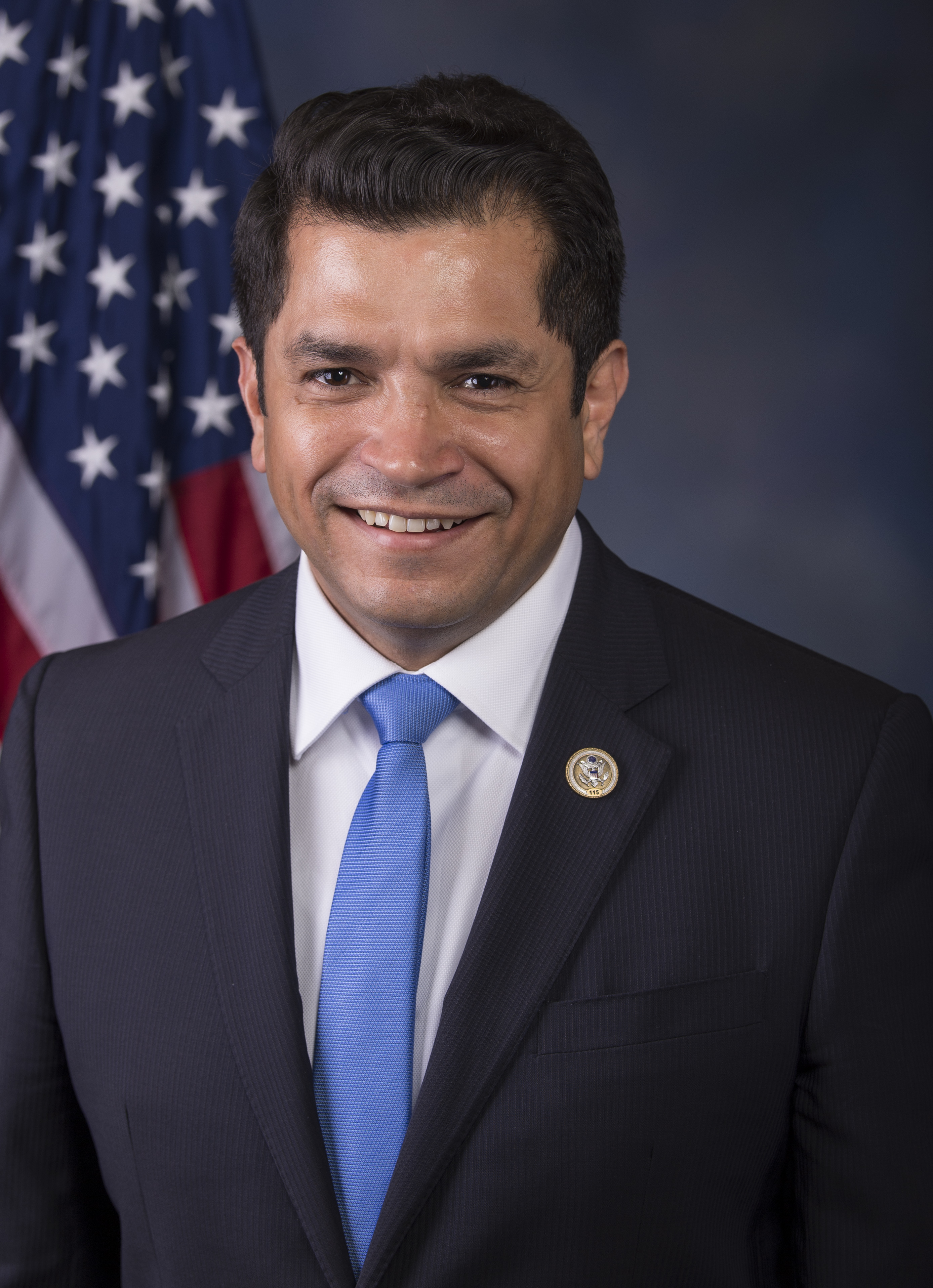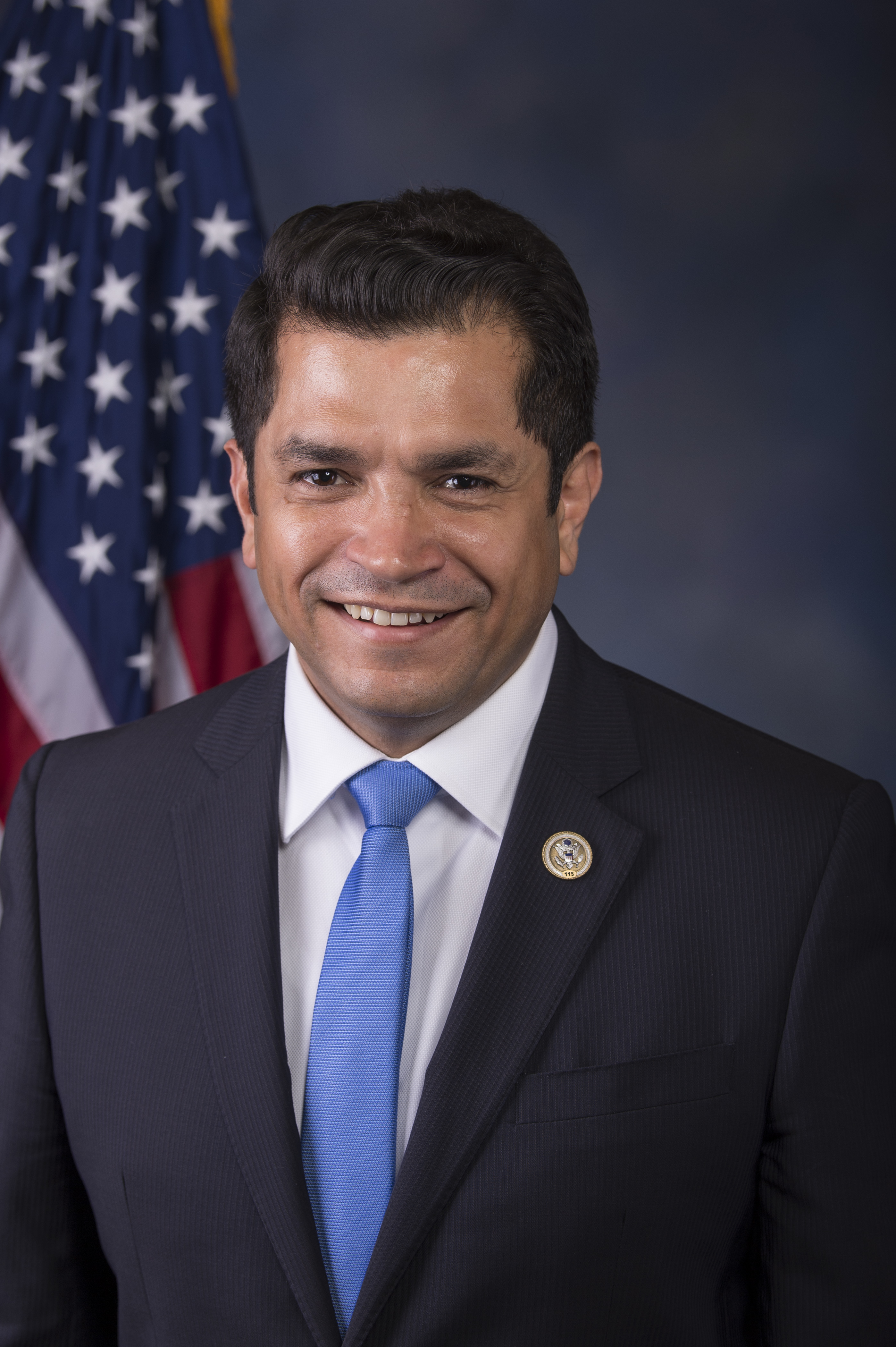
L.A. Rep. Jimmy Gomez says he will resign from Congress effective Dec. 1, 2026, after a House Ethics Committee report found substantial evidence of sexual misconduct with a congressional staffer.
U.S. Rep. Jimmy Gomez, a Los Angeles Democrat, said Monday, November 23, 2026, that he will resign from Congress effective December 1, after a House Ethics Committee report found substantial evidence that he engaged in sexual misconduct with a congressional staffer. The announcement makes Gomez the third member of Congress to resign this year over sexual misconduct allegations, and it closes a House career that his own district's voters had already ended earlier this month.
What the Ethics Committee found
The House Ethics Committee's report, adopted on November 19 and released on November 23, found substantial evidence that Gomez made unwelcome and nonconsensual sexual advances and contact with a congressional staffer, identified in the report only as Witness 1. According to the committee, the misconduct included a February 2024 incident at a Washington, D.C. bar in which Gomez allegedly reached under the staffer's skirt, and a later unwanted advance in his congressional office.
The committee concluded that the conduct could constitute criminal misdemeanor sexual abuse under District of Columbia law. It also found that the misconduct caused the staffer significant and ongoing distress and contributed to her leaving House employment — a finding that frames the case not only as a personal failing but as one with professional consequences for the staffer involved.
The allegations are reported here as the committee's findings. Gomez disputes them.
The timeline: what we know
The investigation that led to Monday's resignation announcement opened in April 2026, after reporting that Gomez had been seen kissing a different congressional aide at a 2023 party hosted by then-Rep. Eric Swalwell. Gomez admitted to an extramarital affair with that aide, according to the committee's account. That admission opened the door to the broader inquiry that followed.
The committee's work then proceeded over the spring and summer. Its report was adopted on November 19, 2026, and released publicly on November 23 — the same day Gomez announced his resignation. The four-day gap between adoption and release is the window in which the committee finalized its findings and Gomez decided how to respond.
Gomez set his resignation for December 1, 2026, a little more than a week after the report's release. He said the date would allow his staff to close out constituent casework — the practical, day-to-day help a member's office provides to people in the district — before the seat becomes vacant.
Gomez's response
Gomez disputes the committee's conclusions. According to his statement, the report contains deficiencies and omissions and selectively quoted his testimony, and he does not accept its characterization of his conduct. He has not, however, contested every fact in the record: he said he takes full responsibility for personal mistakes outside his marriage, an apparent reference to the extramarital affair he had already admitted.
Despite that dispute, Gomez said he sees no alternative other than to resign on December 1. His stated reason was practical rather than contrite: allowing his staff time to close out constituent casework before the seat empties. The combination — a denial of the committee's core findings alongside an acknowledgment of personal mistakes and a decision to step down anyway — is the position he has chosen to leave on.
Background: the investigation and the election loss
The resignation lands at the end of a year in which Gomez's political standing had already collapsed. Gomez, 51, lost his reelection bid earlier in November to fellow Democrat Angela Gonzales-Torres by nearly 25 percentage points — a landslide in a safely Democratic district that turned the race into a referendum on the ethics investigation. Gonzales-Torres had made the investigation a central campaign issue, and the margin of her victory reflected how much weight voters placed on it.
The investigation itself began in April 2026, months before that election, after the reporting about the 2023 party and the affair Gomez admitted. The committee's findings, released after the election was already decided, confirmed the substance of the concerns Gonzales-Torres had campaigned on — and gave Gomez little political ground left to stand on.
He is the third member of Congress to resign this year over sexual misconduct allegations, a tally reported by the Los Angeles Times, CNN, the Wall Street Journal and People. His case stands out from the others in one respect: his district had already voted him out before the committee's findings became public.
What happens next
Gomez's resignation takes effect December 1, 2026. After that, his Los Angeles-based House seat becomes vacant, and the work of constituent services and the district's representation in Congress falls to whoever California's process designates in the interim. Because Gomez had already lost his reelection bid, the seat was already set to change hands with the new Congress in January; the resignation simply moves that transition up by a matter of weeks.
The committee's finding that the conduct could constitute criminal misdemeanor sexual abuse in the District of Columbia raises a separate question about whether any law enforcement referral follows. The committee's report is a congressional disciplinary document, not a criminal prosecution, and any decision to pursue the matter criminally would rest with D.C. authorities, not the House.
For the staffer identified as Witness 1, the report's release is the public record of what the committee found she experienced — and the acknowledgment that the misconduct contributed to her leaving House employment.
Why this matters for Hollywood
Gomez represents Los Angeles — specifically a district in a city where the entertainment industry is both the dominant employer and a constant presence in civic life. A member of Congress from Los Angeles sits at the intersection of federal policy and an industry that runs on tax credits, labor law, copyright rules and export controls, and the loss of any L.A. seat, even one already set to change hands, leaves the city's delegation thinner at a moment when Hollywood's policy agenda is unusually crowded.
The resignation also lands in a Congress already weighing the issues this site covers daily: the federal film tax credit, AI copyright, export controls on the chips that power entertainment technology, and the labor fights that shape who gets to work in the industry. Gomez was not the lead voice on most of those files, but his departure is one more vote and one more L.A. voice removed from a delegation that has been carrying them.
For Los Angeles itself, the story is also a reminder of how closely the city's political class is watched. A congressional resignation over a House Ethics Committee finding of sexual misconduct, by a member who had already been rejected by his own voters, is the kind of accountability story that travels far beyond Washington — and that, in a company town, lands at home.
Sources
Reporting by Justine McDaniel and Clara Harter in the Los Angeles Times, November 23, 2026, 12:23 PM PT; with additional reporting by CNN, the Wall Street Journal and People. Findings attributed to the House Ethics Committee report, adopted November 19 and released November 23, 2026.