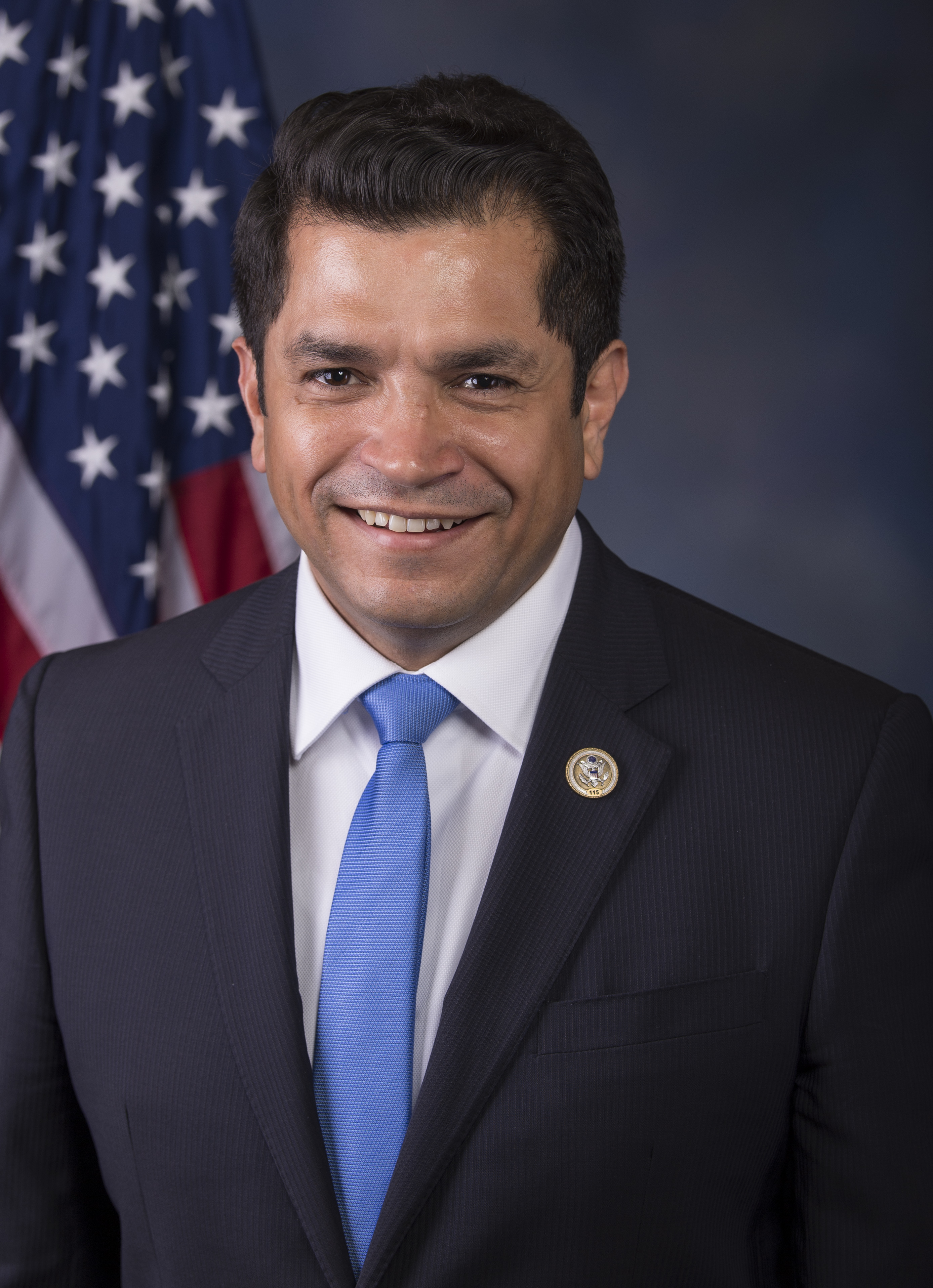
Robert De Niro at the 2025 Cannes Film Festival. The actor is among the signatories of a letter urging Senate Democrats to replace Chuck Schumer with Chris Van Hollen as majority leader.
Robert De Niro, Jane Fonda and 35 Hollywood donors signed a letter backing Chris Van Hollen over Chuck Schumer for Senate majority leader ahead of the Dec. 1 vote.
Some of Hollywood's biggest names have picked a side in the fight for control of the United States Senate — and it is not Chuck Schumer's. In a letter released on Tuesday, November 24, about 35 celebrities and Democratic donors, including Robert De Niro, Jane Fonda, Chelsea Handler, Marisa Tomei, Padma Lakshmi and Veep executive producer David Mandel, urged Senate Democrats to pass over Schumer and elect Senator Chris Van Hollen of Maryland as majority leader when the new Congress convenes in January. The letter, first reported by The New York Times, lands one week before Senate Democrats choose their leader on December 1 — and it turns Hollywood's donor class into an open combatant in one of the party's most consequential internal fights in years. The signatories, who gave or helped raise more than $23 million for Democratic Senate and House candidates in the 2026 midterm cycle, argue that returning Schumer to the top job would run counter to the demand for change voters delivered at the ballot box.
The letter — and who signed it
The letter is short, aimed at the way the decision will be made. "The Senate Democratic leader will be chosen behind closed doors, by secret ballot," it states — a warning that the contest should not be settled quietly, among senators alone, while the people who funded the party's victories watch from the sidelines. The signatories argue that elevating Schumer, who has led Senate Democrats since 2016, would defy the message of the midterms, when Democrats won back the Senate with a 56-seat majority.
The names are a cross-section of Hollywood's political establishment. De Niro, 83, has spent a decade as one of Hollywood's most outspoken critics of President Donald Trump. Fonda, 88, is a two-time Academy Award winner and a veteran activist whose political engagement stretches back more than half a century. Handler is one of the country's most prominent comedians. Tomei is an Academy Award winner. Lakshmi, the longtime Top Chef host, has become a prominent voice on immigration and women's issues. Mandel, the executive producer of HBO's Veep, spent seven seasons satirising the Washington power games the letter now seeks to influence.
What gives the letter its weight is not only the fame of its signatories but the money behind them. The group says it gave or helped raise more than $23 million for Democratic Senate and House candidates during the 2026 cycle. In a party that depends on Hollywood for a significant share of its fundraising, that figure is a reminder that the signatories are not merely celebrities with opinions — they are among the donors who paid for the majority.
The race for the gavel
The contest has been building since early November, when Van Hollen announced he would challenge Schumer for the leadership post. Schumer has led Senate Democrats for nearly a decade, steering the caucus through the minority years and back into the majority. He is up for re-election to his Senate seat in 2028.
Van Hollen, a prominent Maryland progressive, has framed his candidacy as a response to the midterms. On NBC News' Meet the Press on Sunday, he said his support stood at "north of 15" senators — still short of the 28 votes he needs to win the leadership election, scheduled for 9:30 a.m. on December 1. Schumer, for his part, has been filmed on Capitol Hill insisting he already has the 29 votes necessary. Public commitments so far favour the incumbent: at least 16 senators have openly pledged their support to Schumer, compared with six for Van Hollen.
The polling, however, points the other way. An Economist/YouGov survey found Van Hollen leading Schumer by 21 points among Democrats asked who should lead the party in the Senate, and half of Americans surveyed held a negative view of Schumer. The gap between the Senate cloakroom, where Schumer retains the public backing, and the Democratic base, where Van Hollen leads comfortably, is the space the letter is designed to exploit.
Progressive groups including Indivisible, MoveOn, the Working Families Party and Our Revolution have also thrown their support behind Van Hollen, arguing that Schumer has been an ineffective opposition leader. If Van Hollen were to win on December 1, he would become the first Democrat in Senate history to oust his party's sitting leader.
Why Hollywood is speaking now
Chelsea Handler, one of the signatories, explained the thinking in an interview with The New York Times. "This is an opportunity. This is a window… We need to, like, get the ball and run with it. And I don't believe that Chuck Schumer is going to do that." The remark captures the letter's central argument: that the midterms were a mandate for a different kind of leadership, and that installing the same leader who presided over the party's years in the minority would waste it.
Hollywood's involvement in the leadership fight is not new, but it is rarely this public. The industry has long been one of the Democratic Party's most reliable sources of money, and its biggest stars have campaigned and fundraised for generations. What is unusual here is the directness: a group of famous donors, naming names, telling senators how to vote in a secret ballot, a week before the vote. It is the kind of intervention that would be unremarkable from a labour union or a business lobby, but it carries a different charge coming from the people whose faces fill the movie posters.
The timing matters, too. The letter arrived a week before the vote — late enough to be news, early enough to shape the final week of lobbying. The signatories know that leadership elections are decided by private conversations between senators, not by public pressure. But they also know senators read the news, and a public break from Hollywood's donor class is a signal no Democrat seeking re-election can entirely ignore.
The case against Schumer — and his answer
The letter's case against Schumer rests on a simple claim: that voters returned Democrats to the Senate majority because they wanted change, and that re-electing the leader who has run the caucus since 2016 would betray that demand. His critics have long argued that he has been too cautious as an opposition leader, too willing to cut deals, and too slow to use the tools available to the minority. The progressive groups backing Van Hollen have made the same argument for years, and the midterm results have given it new force.
Schumer's answer, so far, has been to count votes rather than argue the case in public. His claim to have 29 votes — one more than the 28 needed — suggests he believes the contest is effectively settled, whatever the polling and the celebrity letter say. His public supporters outnumber Van Hollen's by more than two to one. And the mechanics favour the incumbent: a secret ballot, held behind closed doors, among senators who have worked with Schumer for years and who owe him favours, committee assignments and campaign help.
That is why the letter's authors highlighted the secrecy of the process. A secret ballot protects senators from the consequences of their choice — but it also means the public, and the donors, cannot know who voted which way. The letter is an attempt to make the choice a public one anyway, attaching a cost to a vote for the status quo before the ballots are cast.
What happens next
Senate Democrats will vote on December 1 at 9:30 a.m. Van Hollen needs 28 votes from Democratic senators and senators-elect. Schumer says he already has 29. The gap between those two claims — and between the public endorsements and the private polling — will be resolved in a single morning, behind closed doors.
If Schumer wins, the letter will be remembered as a failed intervention. If Van Hollen wins, it will be remembered as the moment Hollywood's donor class helped topple a Senate leader — the first time in history a Democrat ousted his party's sitting leader. Either way, the next majority leader will shape the Senate's response to the final two years of President Donald Trump's second term, deciding which legislation reaches the floor and which dies in committee.
Why this matters for Hollywood
For Hollywood, the leadership fight is not an abstraction. The next Senate majority leader will decide the fate of legislation that touches the industry directly: artificial-intelligence regulation and copyright law, antitrust scrutiny of studio mergers, the tax treatment of film production, and the federal response to the deepfake pornography that has targeted performers. A leader sympathetic to Hollywood's concerns can move bills; a leader indifferent to them can let them die.
There is also a longer game. Hollywood's political influence has always rested on two pillars: its money and its megaphone. The letter uses both at once — the $23 million as proof of seriousness, the famous names as proof of reach. If the intervention works, it will confirm that the industry's donor class can still move votes in Washington. If it fails, it will suggest the megaphone has grown louder than the influence behind it. The December 1 vote will answer that question — and the industry will be watching the result as closely as any box-office opening.