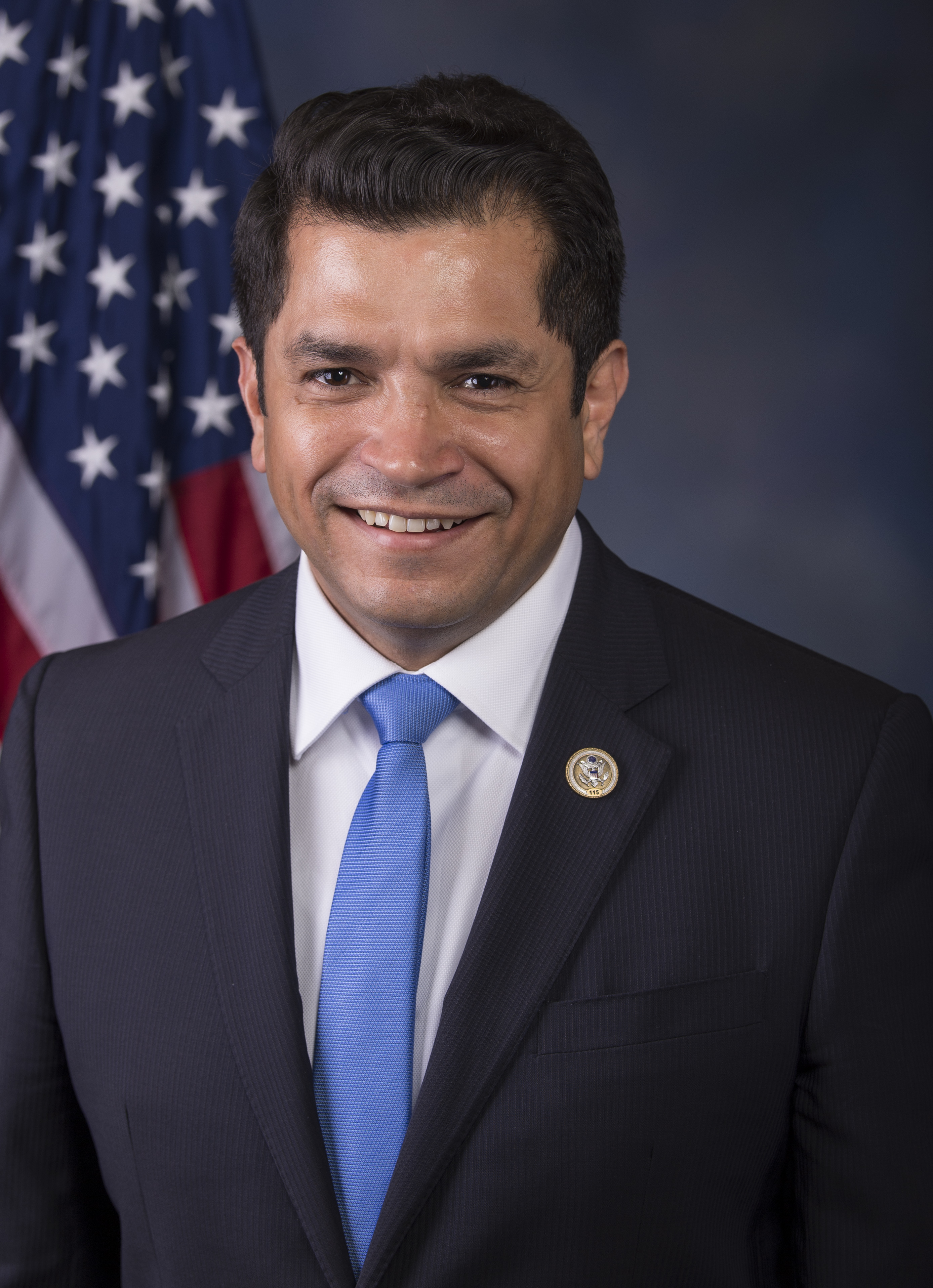
Gov. Gavin Newsom proposed raising California's film and TV tax credit cap from $750 million to $1 billion and adding actors and above-the-line talent, as L.A. shoot days keep falling.
Gov. Gavin Newsom has proposed expanding California's film and TV tax credit cap from $750 million to $1 billion — and adding actors and other above-the-line talent to the programme — in the most aggressive state response yet to a production decline that has hollowed out Los Angeles' entertainment workforce.
The proposal, which would extend the programme through 2040, was announced on the eve of the midterm elections. If approved by the Legislature, it would be the country's largest capped film and TV tax incentive. Newsom said: "We're the capital of entertainment and we're going to keep it here."
The full timeline: what we know so far
The state has already been moving the credit upward. California expanded the credit last year from $330 million to $750 million, a more than doubling that itself reflected how much ground the state felt it had lost to rival production hubs. Newsom's new proposal would raise the cap again, to $1 billion, and extend the programme through 2040 — a long horizon designed to give studios the certainty to plan multi-year productions in California rather than elsewhere.
The proposal also widens who can claim the credit. For the first time, it would include credits for actors and other above-the-line talent — the writers, directors and performers whose costs have traditionally sat outside the credit — a change aimed at the part of a production's budget that most often drives the decision about where to shoot. Newsom also signed a first-ever standalone post-production tax credit, with a $10-million budget, at rates of 35% to 50%, targeting the editing, sound and visual-effects work that has been migrating out of state along with the shoots.
The announcement's timing was political as well as policy. It came on the eve of the midterm elections, and Newsom is the outgoing governor and a possible presidential candidate. The proposal puts pressure on fellow Democrat Xavier Becerra, who is running for governor, to match or exceed a number that sets a new ceiling for what a serious California candidate must say about keeping production in the state.
Key quotes and reactions
Newsom framed the proposal as a defense of California's identity as the home of entertainment. "We're the capital of entertainment and we're going to keep it here," he said — a line that doubles as a message to the studios weighing California against London, Toronto, Ireland and Georgia, and to the crews whose jobs depend on those decisions.
FilmLA, the nonprofit that tracks on-location filming in the region, has put numbers to the problem the credit is meant to solve. The organization reported shoot days down about 5% in July through September, and 29% below the five-year average. FilmLA president Steve Kang said shoots "have not rebounded in the way we had hoped or expected" — a measured phrasing for a decline that, measured against the five-year average, is close to a third.
Studio executive Scott Budnick pointed to the structure of the credit itself as the constraint. "The biggest problem is the cap," he said — meaning that even a generous per-project credit is limited by the total amount the state makes available each year, so projects that would otherwise shoot in California are turned away or sent elsewhere once the cap is reached. Raising the cap to $1 billion is, in this reading, the most direct possible answer to that complaint.
Background and context
The credit's expansion tracks a production decline that has become a defining issue for Los Angeles. The state raised the credit last year from $330 million to $750 million, and the new proposal would take it to $1 billion — each step a response to shoot days and entertainment employment moving to competing hubs that offer their own incentives. The addition of above-the-line talent and a standalone post-production credit are aimed at the parts of the budget that the existing credit did not reach.
Newsom's relations with the studios have not been smooth on every front. He has had tense relations with the studios over the Paramount–Warner Bros. deal, and lobbied Attorney General Rob Bonta over it; Paramount threatened to move to Tennessee or Texas. That history gives the tax-credit proposal an added edge: it arrives from a governor who has been willing to press the studios on one deal even as he offers them a larger incentive to stay on another.
There is also a federal layer to the policy picture. In September, a bipartisan federal bill proposed a 20% credit that could stack with state incentives — a measure the site's existing coverage of the production decline has already examined in detail. Newsom's $1 billion proposal is a state move on top of that potential federal one, and if both become law, California productions could draw on both.
What happens next
The proposal needs approval from the California Legislature. That process will determine whether the cap rises to $1 billion, whether above-the-line talent is included, and whether the programme is extended through 2040. Each of those elements — the size of the cap, the scope of who can claim it, and the length of the commitment — will be negotiated in Sacramento, and each will shape how much production the credit can actually pull back to California.
The political context will loom over the negotiations. Newsom is the outgoing governor, and the proposal sets a benchmark for the next administration. Becerra, running to succeed him, will have to respond to a number that has already been put on the table, and the Legislature will weigh a proposal from a lame-duck governor against the priorities of the incoming one.
Why this matters for Hollywood
For Los Angeles, the credit is the single most important lever the state has to keep production — and the jobs that depend on it — from leaving. FilmLA's figures, with shoot days down about 5% in the latest quarter and 29% below the five-year average, are the measure of how much work has already gone. A $1 billion cap, extended through 2040 and widened to above-the-line talent and post-production, is a bet that scale and certainty can reverse that trend where the previous $750 million could not.
The stakes are the jobs that do not exist without the shoots. Actors, crews, vendors, soundstages and post-production houses all depend on the volume of production in the region, and each of them has been losing work to the hubs that offer better incentives. The proposal is, at bottom, an attempt to make California competitive enough that a production deciding where to shoot has a reason to choose Los Angeles again — and to give the studios the multi-year certainty to plan around it.
Sources
Reporting by Cerys Davies and Stacy Perman in the Los Angeles Times, November 2, 2026; verified by Deadline.