Disney sued Midjourney and MiniMax over AI copyright and sent ByteDance a cease-and-desist — even as it tests AI lyric videos with OpenArt. Inside Hollywood's two-track AI strategy.
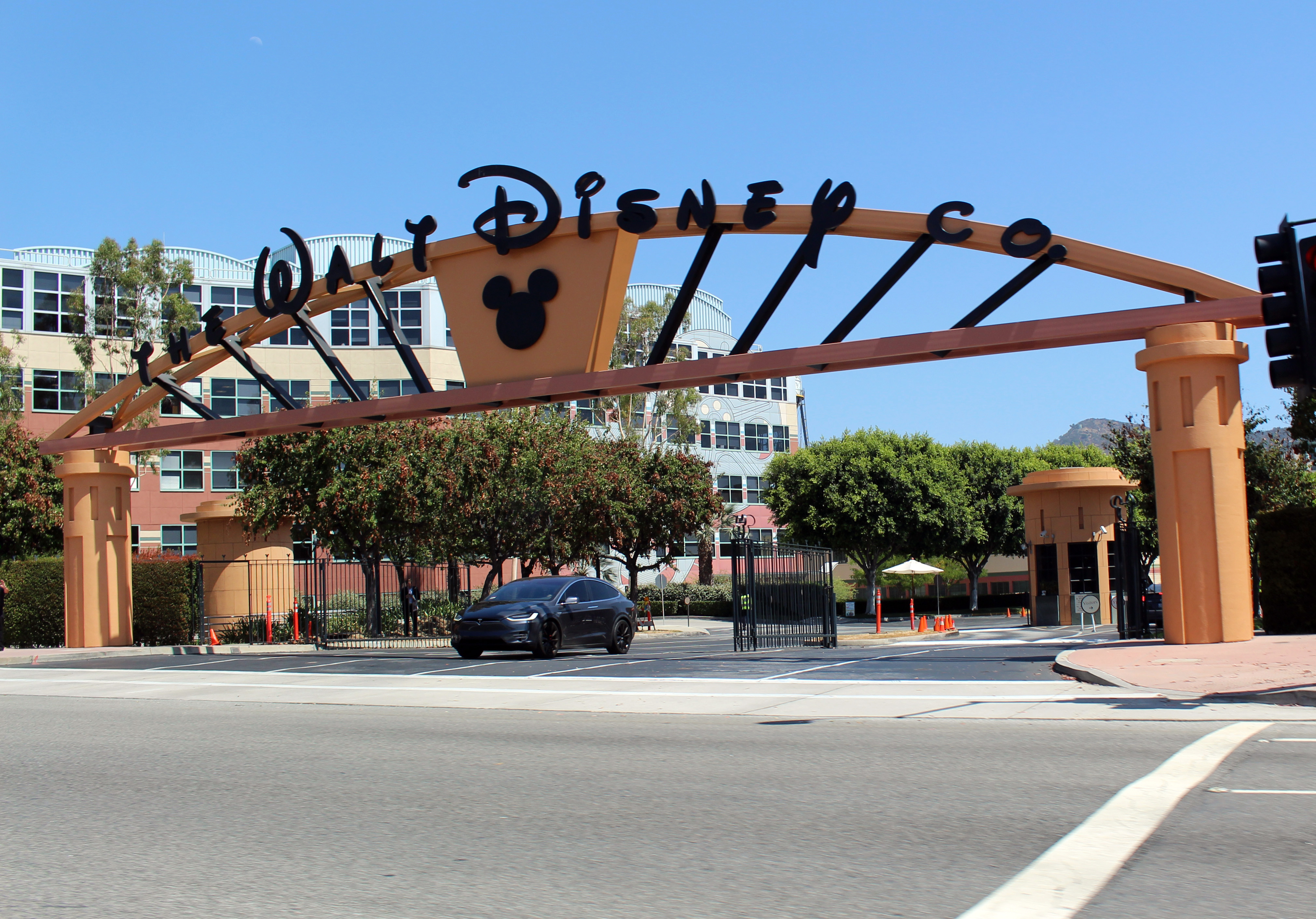
Disney is running a two-track strategy on artificial intelligence: in the courts it is suing AI image generators Midjourney and MiniMax over copyright, while in its own studios it is experimenting with AI to test concepts for music videos with Bay Area startup OpenArt — making the company both the most aggressive plaintiff in Hollywood's AI copyright fight and a paying customer of the technology it is suing over.
The first test was "Go the Distance" from Hercules, generated in different languages, announced at a Disney Accelerator Demo Day on Tuesday in Burbank. OpenArt was founded in 2022 by former Google engineers Coco Mao and John Qiao, and its platform works with tools including Kling and Google Veo. At the same time, Disney has sued Midjourney and MiniMax over copyright, and in February sent a cease-and-desist to ByteDance over its Seedance 2.0 video generator.
The full timeline: what we know so far
The two tracks have been running in parallel through 2026. On the litigation track, Disney and Universal sued Midjourney last year; an October 14, 2026 report said Midjourney was the worst offender among AI image generators and had failed to clean up its act 18 months on. Disney has also sued MiniMax over copyright. In February, Disney sent a cease-and-desist to ByteDance over its Seedance 2.0 video generator — and an August 17, 2026 Los Angeles Times headline reported "Hollywood strikes first AI copyright truce with ByteDance," suggesting the relationship with at least one AI company has moved from confrontation toward accommodation.
On the experimentation track, Disney is working with OpenArt on AI-generated videos, with the first test being "Go the Distance" from Hercules in different languages. The work was announced at a Disney Accelerator Demo Day on Tuesday in Burbank, putting the company's own use of generative video on public display even as its lawsuits against other generative-video and image tools proceed. OpenArt was founded in 2022 by former Google engineers Coco Mao and John Qiao, and its platform works with tools including Kling and Google Veo — meaning Disney's internal tests draw on some of the same underlying generative-video technology the broader market is built on.
A separate thread runs through the Character.AI story. In September, Disney named Character.AI's then-CEO Karandeep Anand as its first chief technology officer. Last month, Character.AI filed for bankruptcy, and Disney offered $20 million to license some of its intellectual property, with other bidders able to top that bid — a move that turns a personnel hire into a potential IP acquisition at a fire-sale price.
The OpenAI relationship is the cautionary counterpoint. Last year Disney announced a $1-billion investment in OpenAI and a licensing deal to bring Disney characters to Sora. OpenAI later decided to shut down Sora to focus resources elsewhere; the deal was never completed and no money changed hands. The episode is a reminder that the biggest AI partnerships can dissolve before they start, and that a announced deal is not a delivered one.
Key quotes and reactions
The most pointed warning about the stakes has come from outside Disney. A November 9, 2026 Deadline report said director Christopher Nolan warned that AI copyright protection is now up to the studios and the Directors Guild cannot act alone. The implication of Nolan's warning is that the unions do not have the standing or the resources to police AI use of their members' work, and that the studios — which own the libraries being scraped — are the only parties who can force the issue in court.
Disney's own position is the two-track one: sue the companies it believes have infringed, and license or partner with the ones it wants to use. The cease-and-desist to ByteDance over Seedance 2.0, followed by the reported truce, is the clearest example of a company moving from one track to the other — from legal threat to negotiated arrangement — within a single year.
Background and context
The legal landscape is the reason the two-track strategy exists at all. There is no federal AI copyright law yet, so the rules are being set case by case in the courts and deal by deal in licensing agreements. A judge approved Anthropic's $1.5-billion settlement with authors in July 2026, a precedent that shows the courts can produce large settlements — and that the threat of those settlements is what gives the studios leverage to negotiate licenses instead of litigating every case to verdict.
Disney's litigation record gives that leverage concrete shape. Disney and Universal sued Midjourney last year, and the October 14, 2026 report that Midjourney was the worst offender among AI image generators and had failed to clean up its act 18 months on suggests the company has not changed its practices in response to the suit — a fact that will weigh on any settlement or judgment. The separate suit against MiniMax extends the same argument to another image generator, and the cease-and-desist to ByteDance extends it to video.
The OpenArt partnership is the other side of the same coin. If the courts and the licensing market are setting the rules in the absence of a federal law, then a studio that wants to use AI needs a partner it can license from cleanly. OpenArt, founded in 2022 by former Google engineers Coco Mao and John Qiao, working with tools including Kling and Google Veo, is that kind of partner — a startup whose own toolchain Disney can point to as licensed rather than scraped.
What happens next
The lawsuits against Midjourney and MiniMax will continue to work through the courts, and the Character.AI bankruptcy proceeding will determine whether Disney's $20 million license bid succeeds or is topped. Each of those outcomes will set a data point in a market that is still being built: what an AI company pays for past infringement, what a studio pays to license a bankrupt AI firm's IP, and what a clean licensing partnership looks like.
The larger question is whether Congress will pass a federal AI copyright law. Until it does, the rules will keep being set by judges and by dealmakers, and the studios will keep playing both roles — plaintiff and customer — depending on which track serves them in a given case. Nolan's warning, that AI copyright protection is now up to the studios, is both a description of the current system and a prediction that it will stay that way until the law catches up.
Why this matters for Hollywood
Disney's two-track strategy is a preview of the position every studio will face. With no federal AI copyright law yet, courts and licensing deals are setting the rules, and studios are simultaneously plaintiffs and customers — suing the AI companies that scraped their libraries, and licensing or partnering with the ones whose tools they want to use. The company that owns the most valuable IP in the business is showing the rest of the industry how to be both at once.
For Los Angeles, where the libraries being scraped are owned and the studios using the tools are headquartered, the outcome will shape who can use what, at what cost, and under what terms. The Anthropic settlement, the Midjourney and MiniMax suits, the ByteDance truce, and the OpenArt and Character.AI deals are all pieces of a market being built in real time — and Hollywood, through Disney, is one of the parties building it.
Sources
Reporting by Wendy Lee and Samantha Masunaga in the Los Angeles Times, November 3, 2026; verified by Deadline. The Anthropic settlement was reported by the Los Angeles Times on July 22, 2026.