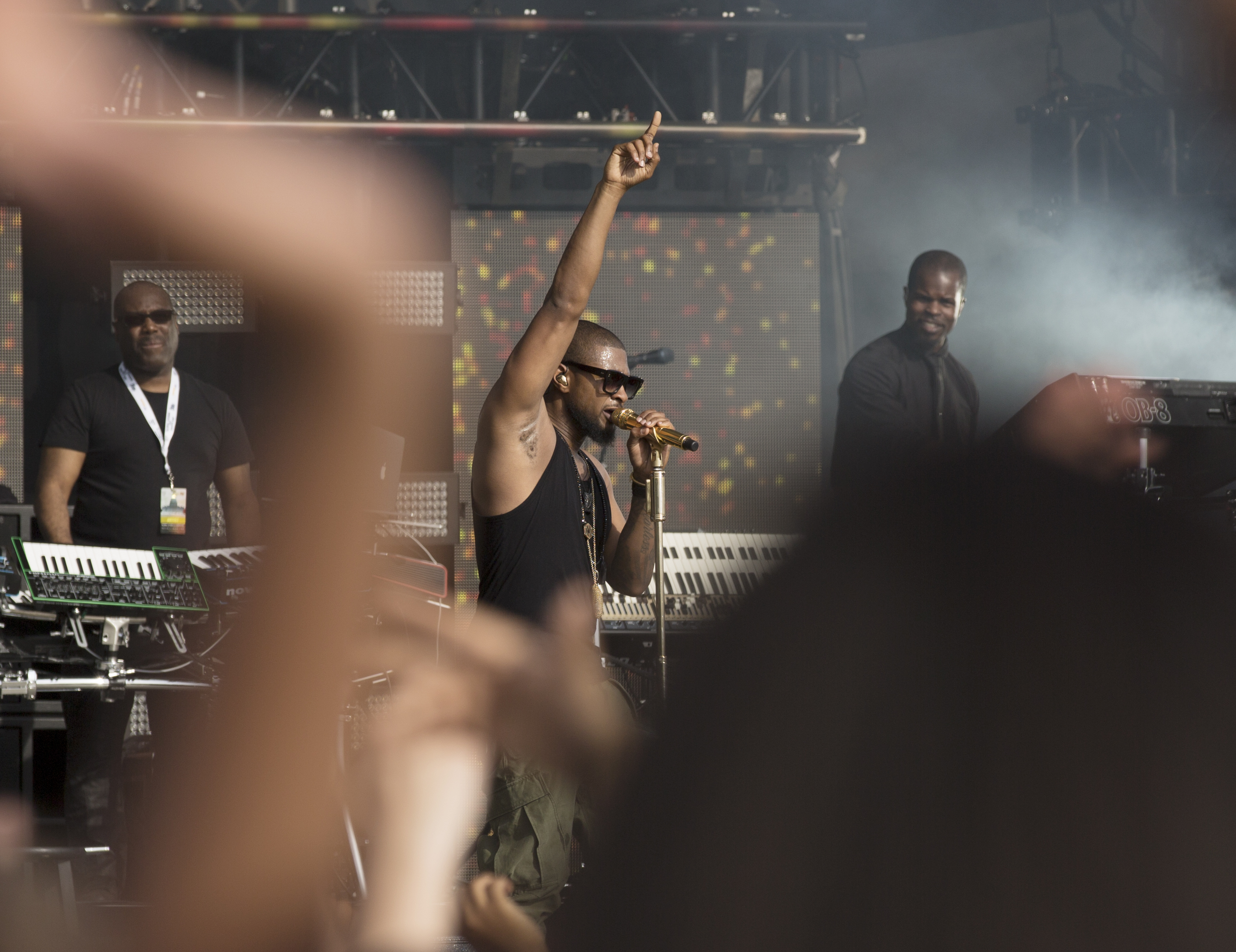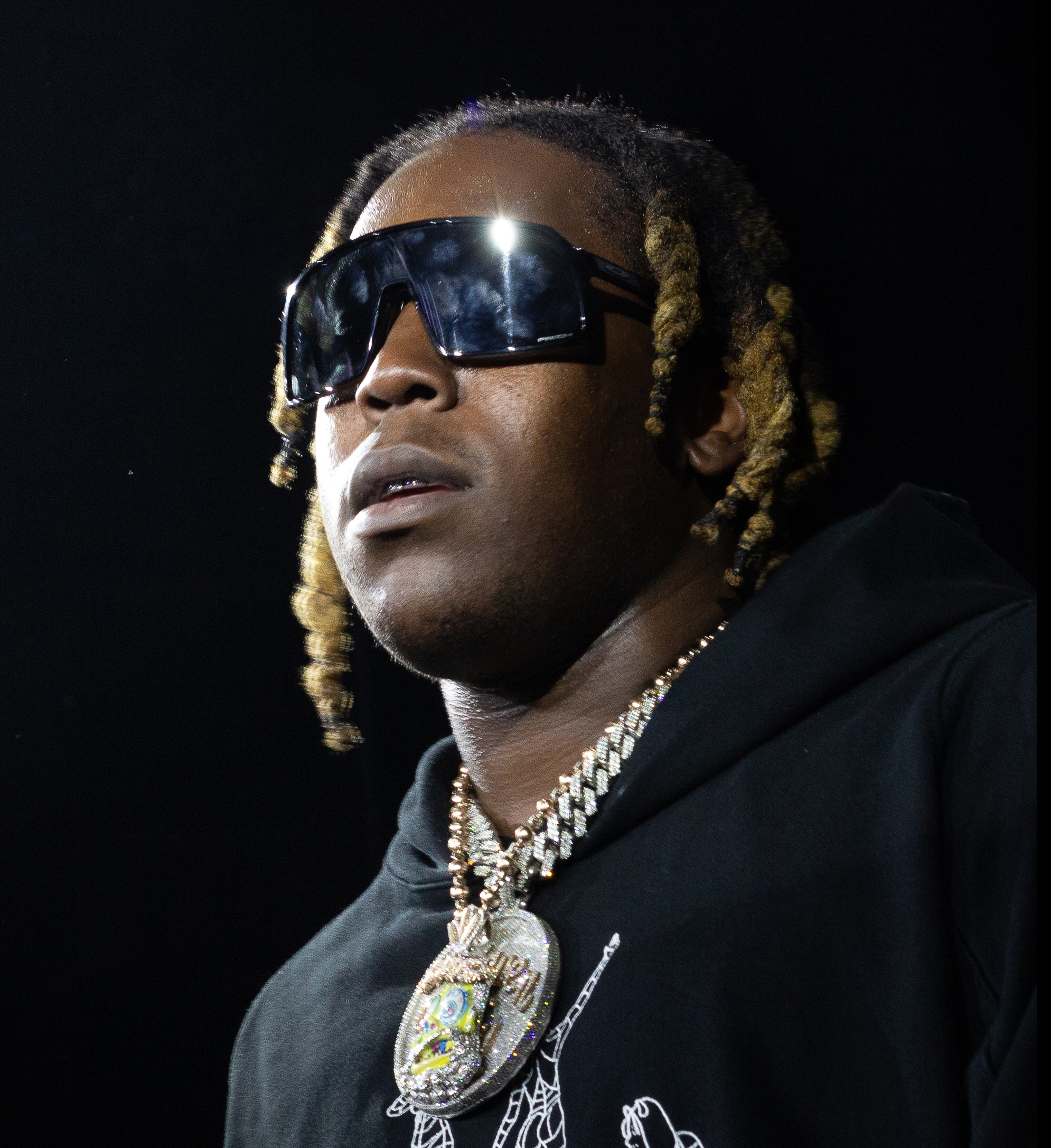
Don Toliver performing at Fluxx in San Diego on September 12, 2021.
An unknown substance sickened 89 fans at Don Toliver's Manchester show, forcing the evacuation of 12,000 people. His London O2 and Wembley dates are postponed to December.
More than 12,000 people were evacuated from a Don Toliver concert in Manchester on Sunday night after an unknown substance was released into the crowd, leaving 89 fans with symptoms and one woman in hospital — and the fallout has now postponed two of the rapper's London arena shows. It is the second time in a week that a major live show has ended in a frightening safety scare, and it has left the live music industry facing the same question it faced after the fire performer fell from the stage at Usher and Chris Brown's New Orleans show on Saturday: how much danger is the audience buying a ticket to watch?
The incident happened at the Co-op Live arena in Manchester on Sunday, November 22, about 40 minutes into Toliver's performance on his Nitrous tour. Concertgoers reported a "horrible smell" spreading through the crowd, and people began suffering eye and respiratory irritation. Greater Manchester Police were called to the venue at around 10 p.m., declared a "major incident," and ordered the evacuation of the arena.
Toliver left the stage, the house lights came on, and for almost an hour the audience waited for news. Shortly before 11 p.m., they were told the show would not resume. Fans described people being wheeled out in wheelchairs, choking, and "screaming in pain." The North West Ambulance Service said 88 people were evaluated at the scene for eye and respiratory symptoms, with most given "dry decontamination" — the process of removing contaminated clothing and wiping down skin — and one woman taken to Manchester Royal Infirmary for further assessment. Greater Manchester Police said 89 people in total displayed symptoms believed to be linked to exposure to the substance.
What the substance was remains unknown. Police initially believed it to be tear gas, but have not confirmed its identity, and the investigation is ongoing. No one had been arrested as of Monday evening, and police said the incident was isolated and there was no wider threat to the public. "I would like to thank the public who attended for their patience whilst we responded to this incident," Assistant Chief Constable Tom Harding said. "There were over 12,000 people in attendance during this concert who were safely escorted from the arena and made their way home."
Two London shows postponed
The consequences reached London within hours. Toliver was due to perform at The O2 in London on Monday night, and at the OVO Arena Wembley on Tuesday. Both shows have now been postponed — the O2 date to December 15, the Wembley date to December 14 — because the tour's stage and production equipment remained in Manchester after the incident and could not be moved to London in time.
"I'm very sad to sit here and say I have to reschedule the O2 London show to December 15 due to the unfortunate incident last night in Manchester," Toliver wrote on Instagram. Live Nation, the tour's promoter, attributed the postponements to "production delays" following the Manchester show. Tickets for both London dates remain valid for the rescheduled shows, and Manchester ticket holders will receive automatic full refunds.
Toliver, whose full name is Caleb Zackery Toliver, is a 32-year-old rapper from Houston whose music blends trap and R&B. He is one of the year's breakout live acts, and he is nominated in five categories at the 2027 Grammy Awards, including best new artist and best rap album. The Nitrous tour is the biggest run of his career — and the Manchester incident, and the two London postponements that followed it, are the first serious disruption of it.
A venue with history, and a new law
The setting matters. Co-op Live opened in 2024 and is the largest indoor arena in the United Kingdom, with a capacity of more than 23,000. It stands about two miles from the Manchester Arena, where 22 people were killed in a suicide bombing at an Ariana Grande concert in 2017 — an attack that changed the way Britain thinks about concert safety, and that led to the Terrorism (Protection of Premises) Act 2025, known as Martyn's Law, which requires venues hosting large events to have response plans for potential attacks.
That history was on the minds of the officials who responded on Sunday. Bev Craig, the mayor of Greater Manchester, and her deputy, Kate Green, praised the emergency services for safely evacuating the arena, adding that inquiries into the cause were ongoing "so those affected can get the answers they deserve." Co-op Live said its priority remained visitor safety and that it was working closely with police "to identify the cause and action appropriately." An arena full of people, a smell in the air, and no immediate explanation is the scenario every venue's emergency plan is built around — and on Sunday, the plan worked. But the fact that it had to be used at all, and that the cause is still unknown two days later, is the part that will linger.
The safety question live music keeps facing
Sunday's evacuation is the latest in a run of onstage and in-crowd incidents that have forced the live industry to talk about safety in public. On Saturday night in New Orleans, a fire performer fell off the stage while twirling flaming batons at Usher and Chris Brown's stadium show, in a frightening moment captured on fan video. The two incidents are different in almost every way — one a stage accident, the other a substance released into a crowd — but they share a shape: a large-scale live production, a moment in which the spectacle became dangerous, and an audience that found out about it from the people around them before the tour said anything.
The economics of the modern arena tour push in the direction of more spectacle. Ticket prices keep climbing, and the production is what justifies them. The crowds keep growing, too. The more people in the room, the more that can go wrong, and the more that depends on the venue's ability to get them out safely when it does.
The industry's record on this is mixed. Venues have improved their safety protocols after high-profile incidents in recent years, with stricter rules around pyrotechnics and better medical response on site. The Manchester evacuation is, in one sense, evidence that those protocols work: the Hazardous Area Response Team was deployed, the arena was cleared, and the injured were treated. But the protocols are only as good as the information they are built on, and on Sunday the most basic piece of information — what the substance was — was missing. Until the police identify it, the venue cannot say what happened, and the fans who were there cannot know what they were exposed to.
What happens next
The investigation continues, with Greater Manchester Police working to identify the substance and determine how it was released. No arrests have been made, and no suspect has been named. The venue and the police have said they are working together, and the mayor's office has promised answers for those affected.
The tour, meanwhile, resumes in London in December, with the rescheduled Wembley show on December 14 and the O2 show on December 15. Whether the Manchester incident changes anything about the production is an open question, and one the tour has not yet addressed publicly.
For the fans who were there on Sunday, the night will be remembered for the evacuation, not the music. For the industry, it is another entry in a ledger that has been growing all year: the question of how much risk a night out should carry, and who is responsible when the night goes wrong.
Why this matters for Hollywood
Hollywood and live music are the same business now: the same audiences, the same ticket prices, the same expectation that a night out should feel like an event. The arena tour is a stadium-scale production in the same economy as a $200 million film opening — and it carries the same risk when spectacle is the product. A substance released into a crowd of 12,000 people in Manchester is, on its own, a frightening night at a concert. But it lands in a week when the live industry has already had one scare, in New Orleans, and it asks the question the industry least likes to answer: how much danger is the audience buying a ticket to watch?
For Los Angeles, where Toliver has deep roots in the hip-hop scene and where the tour will be judged as much as anywhere, the incident is also a reminder of how much of the modern concert business is built on the people the audience never notices — the security staff, the medics, the venue crews who make the spectacle work and who get 12,000 people out of a building safely when something goes wrong. The show did not go on in Manchester. The evacuation did. That, at least, worked.