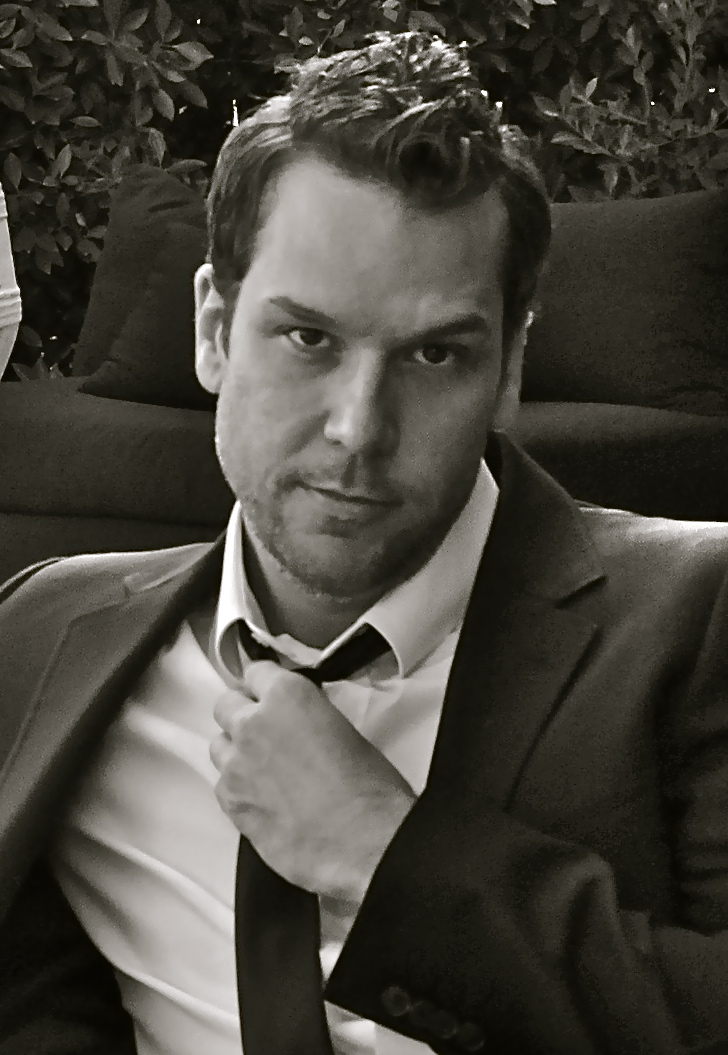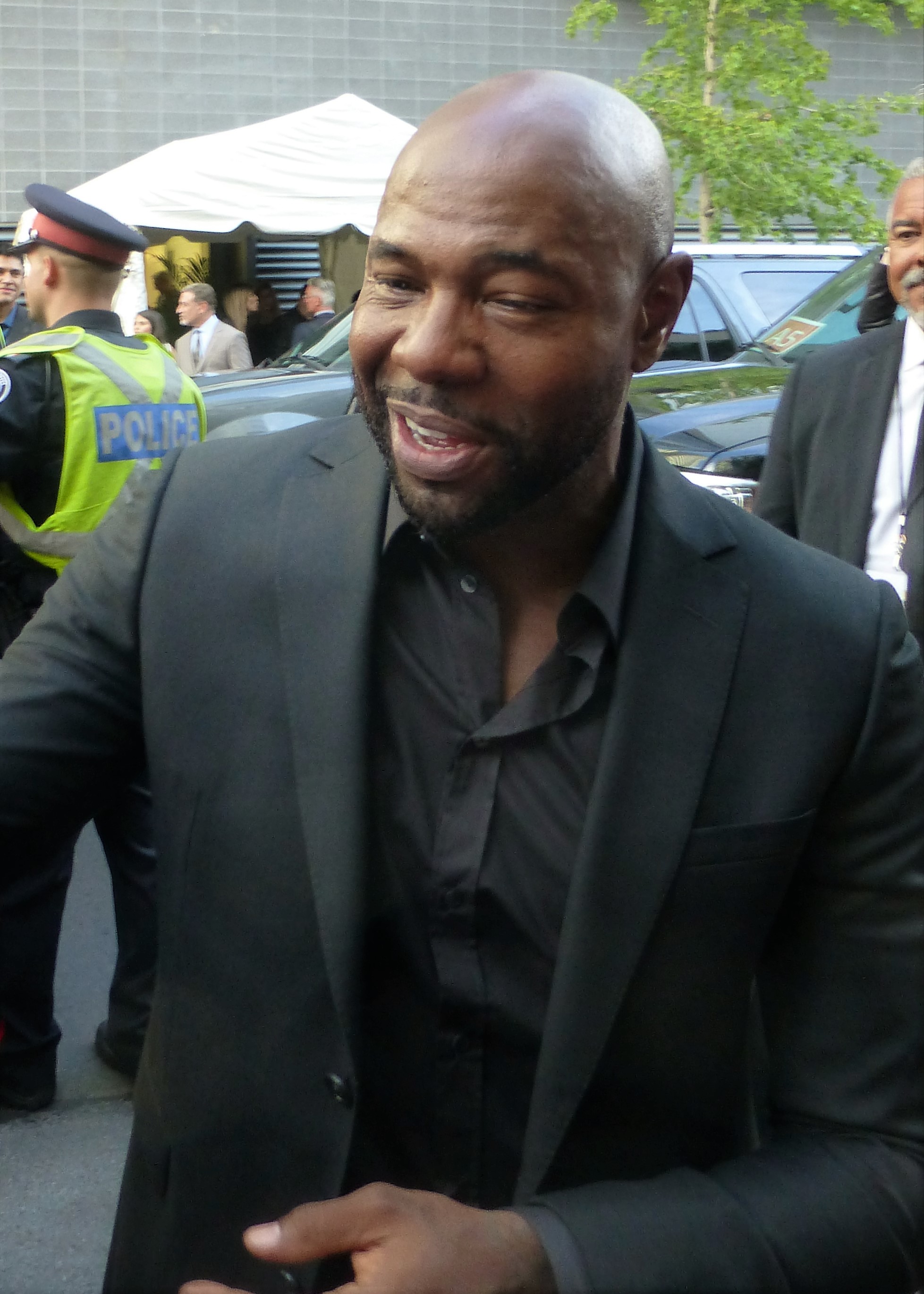
Antoine Fuqua at the 2016 Toronto International Film Festival.
"Michael" director Antoine Fuqua and his son Brando face a lawsuit alleging they struck a Hollywood bar manager with handguns in February. Fuqua's team denies the claims.
The director of this year's Michael Jackson biopic is facing a lawsuit that accuses him of striking a Los Angeles bar manager in the face with a handgun — and of threatening to kill him — after a dispute involving his children at a Hollywood bar in February. Antoine Fuqua, the filmmaker behind Training Day, The Equalizer and Michael, has denied the allegations, and his representatives say none of what is claimed in the filing is true.
The civil lawsuit was filed on Friday, November 20, in Los Angeles, and first reported on Monday evening. The plaintiff is William Rosenthal, an assistant bar manager at Good Times at Davey Wayne's, a bar in Hollywood. He is suing Fuqua and his son, Brando Fuqua, for assault, battery and intentional infliction of emotional distress, and is seeking more than $50,000 in damages, plus medical expenses, and a jury trial.
According to the complaint, the incident began on February 14, when Rosenthal refused entry to a group of people he described as "visibly overly intoxicated," one of whom was allegedly Fuqua's daughter. The filing says a member of the group spat on Rosenthal, who told them to leave. About an hour and a half later, the complaint alleges, Fuqua and his son arrived at the bar and confronted Rosenthal, accusing him of pepper-spraying Fuqua's daughter — an accusation Rosenthal denies.
What the complaint alleges happened next is the core of the lawsuit. "As a result, Defendant Antoine Fuqua pulled out a handgun and struck Plaintiff in the face," the documents state. "After striking Plaintiff, Defendant Antoine Fuqua directed a racial and antisemitic slur at Plaintiff and threatened to kill him." The filing goes on to allege that as Rosenthal staggered back in pain, Brando Fuqua "appeared and approached Plaintiff and forcefully swung a handgun at Plaintiff's face," and that the two men then pointed their handguns at him, "placing him in imminent fear for his life, before fleeing down the street."
Rosenthal claims he suffered a head injury, a nose fracture, lacerations to the skin, severe scarring, post-traumatic stress disorder, severe emotional distress, depression and anxiety, some of which he says could result in permanent disability. The complaint seeks damages for those injuries and for the medical expenses that followed.
The denial
Fuqua's camp has denied the allegations flatly and consistently. In a statement on Tuesday, a representative told Entertainment Weekly that "the accusations are not true." His publicist, Alan Nierob, said in a separate statement, "What's claimed in that filing about Antoine is not true." A representative had given the same denial to TheWrap on Monday when the lawsuit was first reported.
There is also a procedural wrinkle. According to Deadline, sources say Fuqua has not yet been officially served with the lawsuit, which means the case is at its very earliest stage: a complaint filed with the court, reported in the press, and denied by the defendant, with no formal response yet on the record. No criminal charges have been reported in connection with the incident, and no arrest has been reported. The lawsuit is a civil claim, and the allegations in it are unproven.
That distinction matters, and it is one Hollywood has had to learn to hold carefully. A civil filing is an accusation, not a finding. The court has not ruled on any of it. But a filing of this kind, against a director of Fuqua's standing, in the year his biggest film has been in theaters, is news in itself — and it arrives at a moment when the industry's tolerance for looking away from allegations against powerful men is lower than it has ever been.
The director at the center of it
Fuqua, 61, is one of the most established action directors in Hollywood. He directed Training Day in 2001, the film that won Denzel Washington the Academy Award for best actor and made Fuqua's name. He went on to direct The Equalizer franchise, also with Washington, The Magnificent Seven, and Emancipation. His most recent film, Michael, the biopic of Michael Jackson starring the singer's nephew Jaafar Jackson, was one of the year's major releases and the film that has put Fuqua back at the center of the industry conversation in 2026.
That is what makes the timing of the lawsuit so consequential for the people around it. Michael is a film with an enormous amount riding on it: a beloved and controversial subject, a family-approved production, and a studio campaign built on the idea that the film treats its subject with care. A lawsuit accusing its director of a violent confrontation in a Hollywood bar is the kind of story that attaches itself to a film's awards-season campaign whether the filmmakers want it to or not.
Fuqua's career has also been built, in part, on his reputation as a filmmaker who works closely with the actors and crews who trust him. Washington has made four films with him. That trust is the currency of a director's career, and a lawsuit like this one, even denied, spends some of it in public.
The bar, the night, and what is still unknown
Good Times at Davey Wayne's is a well-known Hollywood bar, the kind of place where the industry's nights out and its working life overlap. The complaint's account of the night turns on a sequence of events that will now be tested: who was turned away and why, what was said in the hour and a half between the refusal and Fuqua's arrival, whether pepper spray was used, and what exactly happened in the confrontation outside the bar.
None of that has been established in court. The complaint is Rosenthal's account, and Fuqua's side has said it is not true. What is established is the shape of the dispute: a bar manager who says he was doing his job by refusing entry to intoxicated patrons, a father who says his daughter was harmed, and a confrontation that, on one side's account, escalated to drawn handguns on a Hollywood street.
What happens next
The next steps in the case are procedural but they matter. Fuqua must be formally served, and his lawyers will file a response — likely a denial, and possibly a motion to dismiss or strike parts of the complaint. The parties may also explore a settlement, as often happens in civil cases of this kind. If it proceeds, discovery would follow, with depositions, documents and, potentially, video from the bar and the street outside it — the kind of evidence that tends to settle competing accounts of a confrontation quickly.
The case will also be watched for what it does to Michael. The film's campaign, and Fuqua's standing as its director, now have a story attached to them that has nothing to do with the film itself. Studios and distributors have learned, in the last decade, that they cannot simply wait for a lawsuit to go away; the question is whether they address it, distance themselves from it, or stand by the filmmaker while the courts sort it out. None of those choices is cost-free, and the film's team has not yet said anything publicly about the case.
For the wider industry, the lawsuit is another entry in a ledger that has been growing for years: the question of what happens to powerful directors when they are accused of misconduct away from the set. The last decade has produced answers that range from exile to comeback, and the industry has not settled on a single rule. What it has settled on is that the accusation itself is news, the denial is part of the story, and the public will be watching what happens next — in court, and on the red carpet.
Why this matters for Hollywood
Hollywood is a company town, and its most important product is trust: the trust of audiences, of actors, of crews, and of the studios that finance the films. A lawsuit accusing a director of the standing of Antoine Fuqua of pistol-whipping a bar manager is a story about that trust, and about what happens when the person the industry has trusted with a major biopic is accused of violence in the street outside a bar.
It is also a story about the distance between the set and the street. On a film set, a director's authority is close to absolute. Outside it, that authority counts for nothing, and a dispute at a bar door is governed by the same rules as any other. The complaint, if its account is believed, describes a man who treated a Hollywood street as if it were his set. Fuqua's denial says that is not what happened. The courts will decide which account is true. Until then, the film, the filmmaker and the lawsuit are inseparable — and Hollywood will be watching all three.